
Overview
Osteosarcoma, a type of bone cancer, most often spreads to the lungs. Osteosarcoma mostly affects children, teenagers, and young adults. Early detection and treatment are important to improve outcomes. At the Rizzoli Orthopaedic Institute, lung surgeons, orthopaedic surgeons and cancer specialists work together to provide personalized care. They use both traditional open surgery and minimally invasive techniques, depending on the patient’s needs.
How Common Are Lung Metastases?
Osteosarcoma is the most frequent bone cancer in young people. The lungs are the most common place where the cancer can spread.
- About 20–30 % of patients have lung metastases when they are first diagnosed.
- Up to 40–50 % may develop lung metastases later.
How Are Lung Metastases Diagnosed?
Doctors use imaging tests to find lung metastases:
- Chest X-ray is often the first step.
- CT scan of the chest is more detailed and can detect even small nodules.
- PET/CT scan helps check if cancer has spread to other parts of the body.
Usually, these tests are enough to confirm lung metastases.
Treatment Options
Treatment usually combines chemotherapy with surgery to remove all visible lung tumors. If surgery is not possible, stereotactic radiotherapy may be used to control the tumors.
Surgery (Metastasectomy)
Surgery is recommended if:
- There are a limited number of lung tumors,
- Cancer has not spread outside the lungs, and
- The patient has responded well to chemotherapy.
The goal is to remove all lung tumors and achieve a disease-free state.
Surgical Techniques
- Open chest surgery (thoracotomy) allows the surgeon to carefully feel the entire lung to find small tumors that may not show on scans.
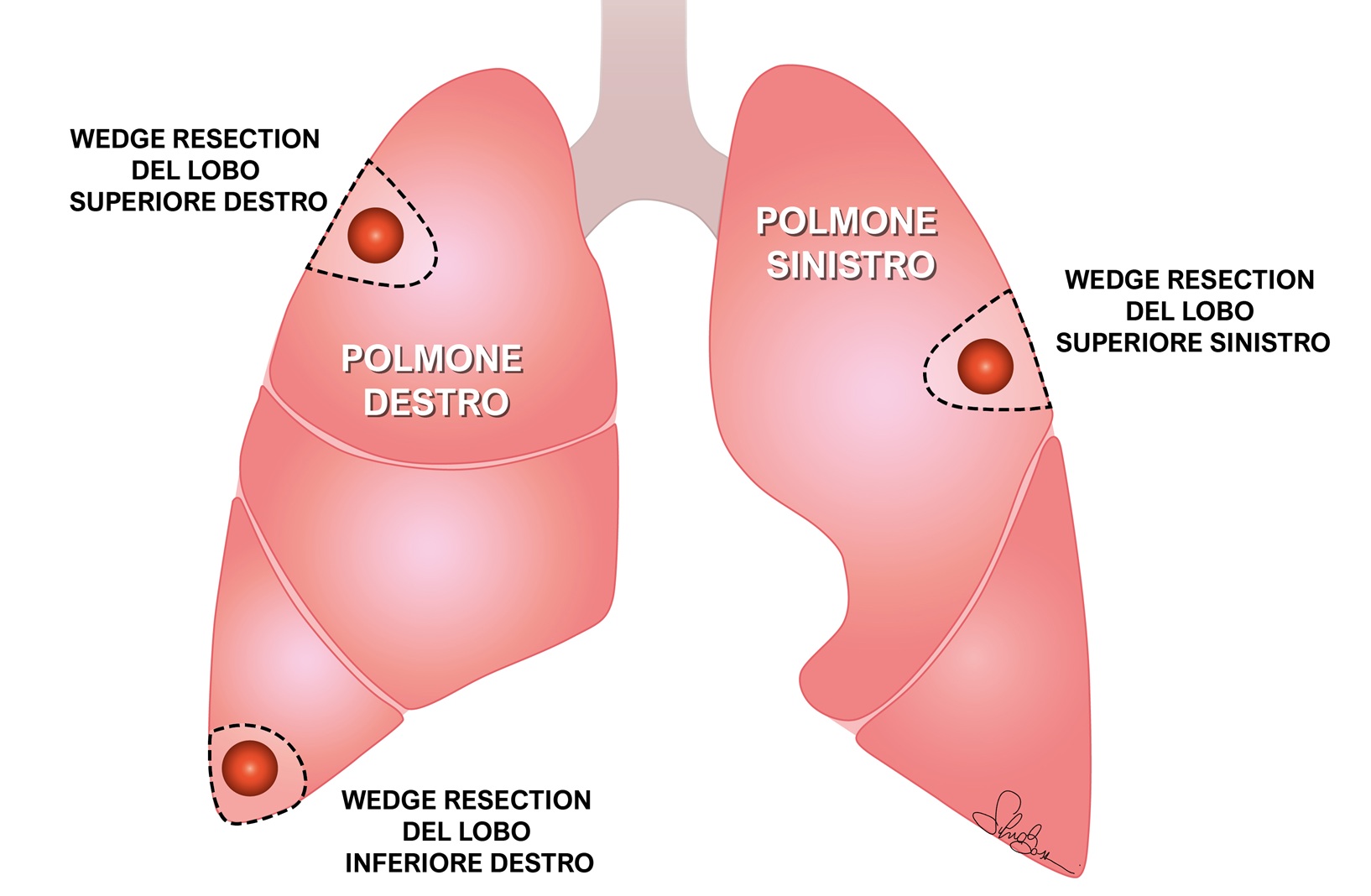
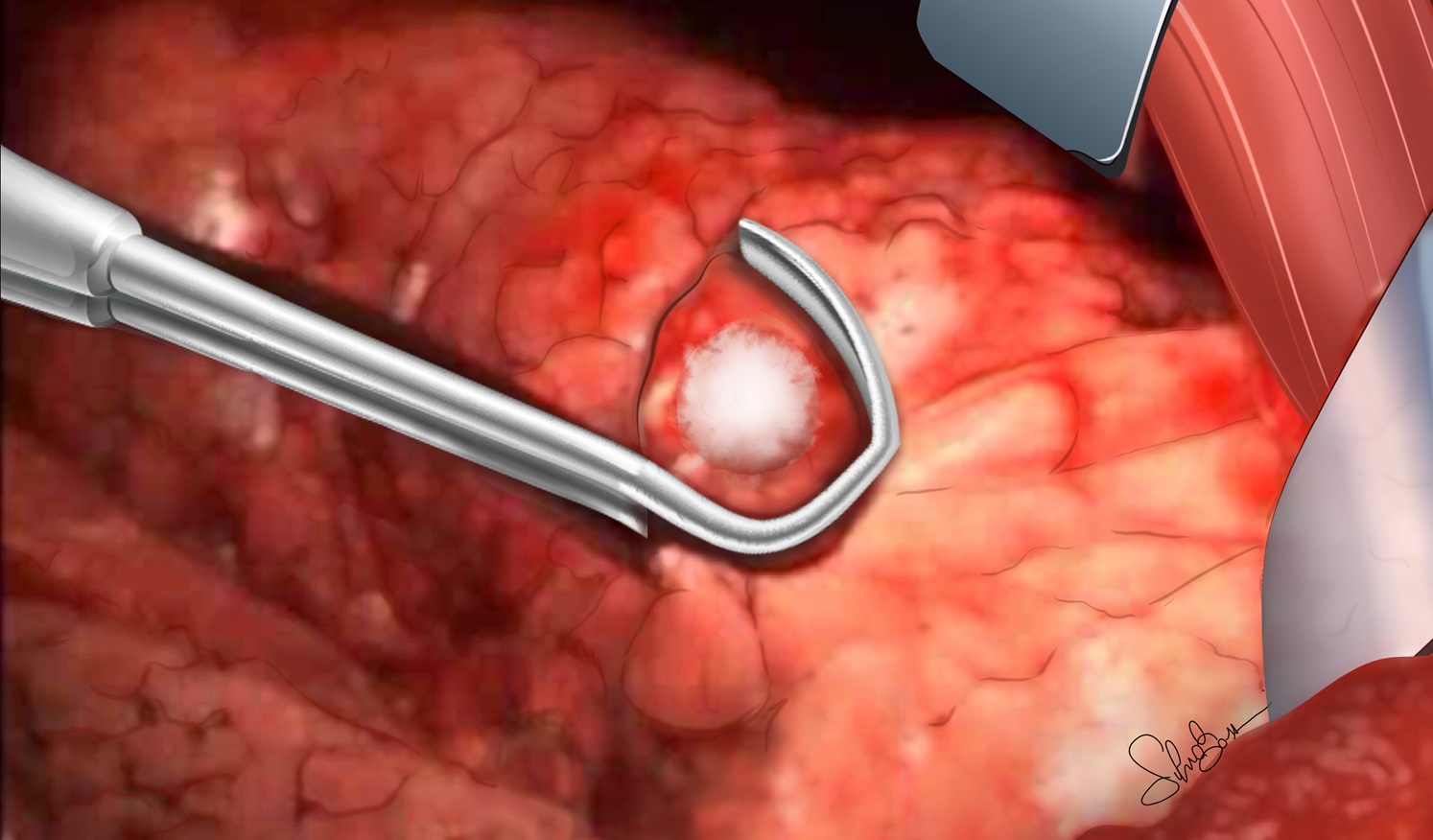
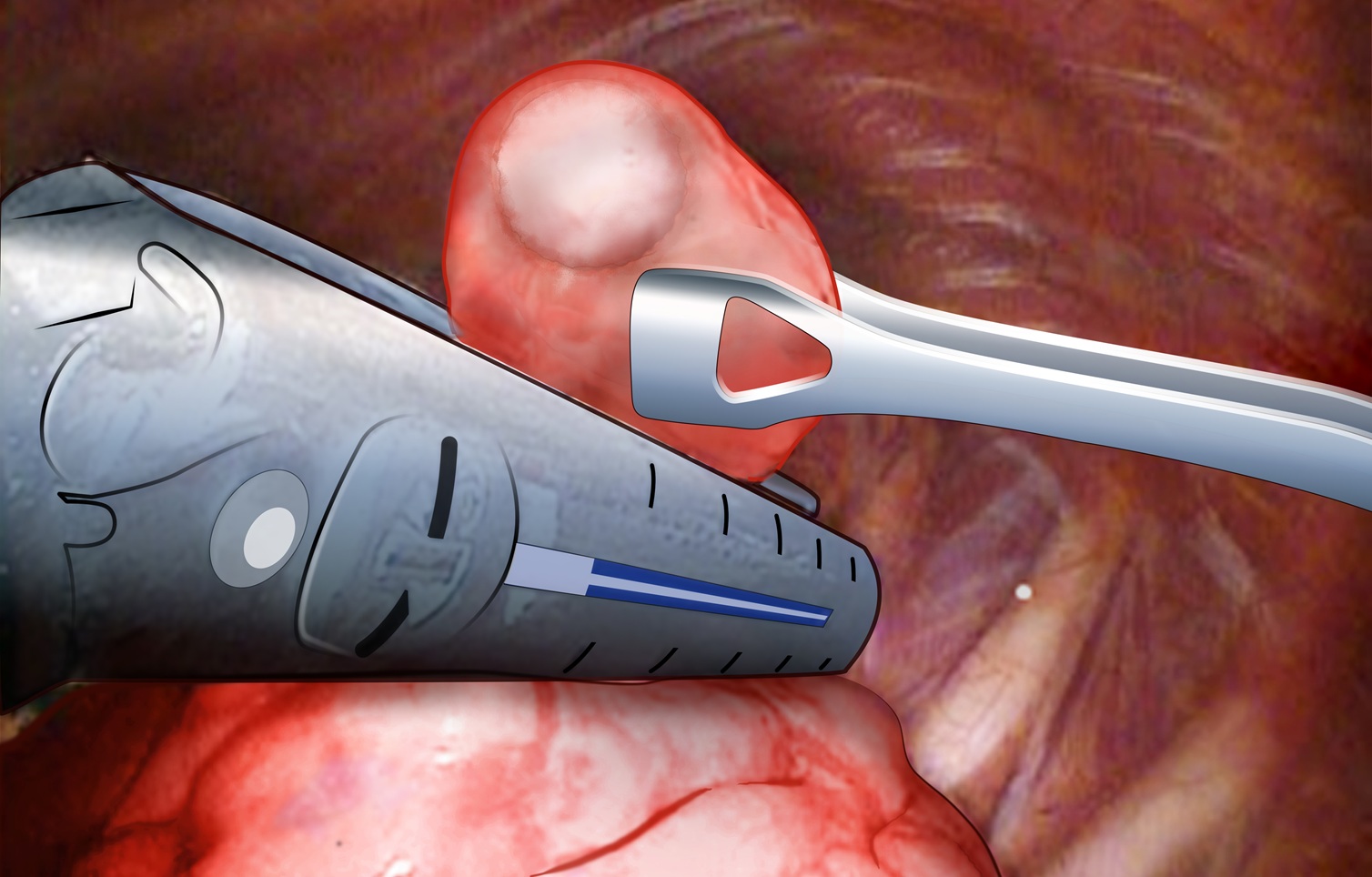
- Wedge resection means removing the tumor along with a small piece of healthy lung tissue.
- Sometimes a larger section of the lung (lobectomy) may be needed. Complete removal of a lung (pneumonectomy) is very rare.
- Minimally invasive surgery (VATS) uses small incisions and a camera. It usually works best for patients with a few easily accessible tumors.
Prognosis and Follow-Up
The outlook depends on:
- How many tumors are in the lungs,
- How well the patient responds to chemotherapy, and
- Whether all tumors can be completely removed.
Patients who have all lung metastases successfully removed have a much better chance of long-term survival. Regular follow-up is essential to detect any new tumors early.
Possible Complications
- Surgery can cause bleeding, lung infection, or breathing difficulties.
- Chemotherapy can cause side effects such as low blood counts, kidney problems, or heart effects.
- Radiotherapy to the lungs may cause inflammation of the lung tissue, cough, or shortness of breath.
Careful monitoring and rehabilitation help reduce risks and support recovery.
Rizzoli Institute Experience
The Thoracic Surgery Unit at the Rizzoli Institute has extensive experience treating lung metastases from bone cancers. The team has performed over 1,000 lung surgeries for sarcoma patients, combining years of expertise with the latest techniques. Even though minimally invasive surgery is now available, open surgery is often preferred in osteosarcoma to make sure all tumors are found and removed.
Conclusions
Surgery to remove all lung metastases remains the most important treatment for long-term survival in osteosarcoma patients. Thanks to multidisciplinary care and decades of experience, the Rizzoli Institute is one of Europe’s leading centers for treating lung metastases from bone cancers.
Figure 1
Diagram showing three ways surgeons can remove lung tumors: a small section of the right upper lobe, right lower lobe, or left upper lobe is taken out to remove the tumor while keeping as much healthy lung as possible.
Download Patient-Friendly PDFs in Spanish, French, Portuguese, and Russian
This section provides downloadable PDFs in Spanish, French, Portuguese, and Russian, offering patient-friendly information on lung metastases from osteosarcoma.
If you would like more information or wish to contact a specialist, please write to the Head of Thoracic Surgery at the Rizzoli Institute: fabio.davoli@ior.it
Metástasis pulmonares por osteosarcoma: información para paziente. Este documento explica de manera sencilla qué son las metástasis pulmonares en el osteosarcoma, cómo se diagnostican y las opciones de tratamiento disponibles para los pacientes.
Métastases pulmonaires de l’ostéosarcome: informations pour les patients. Ce document explique de façon simple ce que sont les métastases pulmonaires de l’ostéosarcome, comment elles sont diagnostiquées et quelles sont les options de traitement pour les patients.
Metástases pulmonares do osteossarcoma: informações para paziente. Este documento explica de forma clara o que são as metástases pulmonares do osteossarcoma, como são diagnosticadas e as opções de tratamento disponíveis para os pacientes.
Лёгочные метастазы остеосаркомы: информация для пациентов. В этом документе простыми словами объясняется, что такое лёгочные метастазы при остеосаркоме, как они диагностируются и какие существуют варианты лечения для пациентов
Bibliography
- High grade osteosarcoma of the extremities metastatic to the lung: long-term results in 323 patients treated combining surgery and chemotherapy, 1985-2005. Briccoli A, Rocca M, Salone M, Guzzardella GA, Balladelli A, Bacci G. Surg Oncol. 2010 Dec;19(4):193-9.
- Surgery for lung metastases in Ewing’s sarcoma of bone. Briccoli A, Rocca M, Ferrari S, Mercuri M, Ferrari C, Bacci G. Eur J Surg Oncol. 2004: 30, 63–67