
Slipping Rib Syndrome is a condition in which one or more of the lower ribs, most commonly the 9th, 10th, or 11th rib, become abnormally mobile or displaced from their usual anatomical position, causing pain and discomfort in the corresponding area of the chest.
The main symptom is pain localized to the lower chest or costal margin, often aggravated by certain movements or by pressure over the affected area.
Epidemiology and Etiopathogenesis
Slipping Rib Syndrome has traditionally been considered a rare and frequently underdiagnosed condition, making its true prevalence difficult to estimate.
The condition was first described in 1919 by Edgar Ferdinand Cyriax [1], a British orthopaedic physician. It is thought to occur more frequently in women, adolescents, and young adults, although it can present at any age. Limited awareness of the condition and the similarity of its symptoms to those of other thoracic disorders may contribute to underdiagnosis [2].
The exact causes of Slipping Rib Syndrome are not fully understood, but possible contributing factors include:
- hypermobility of the costal joints, which may result from trauma or repetitive movements;
- disruption or injury of the costal cartilage attachments involving the 9th and 10th ribs;
- anatomical predisposition.
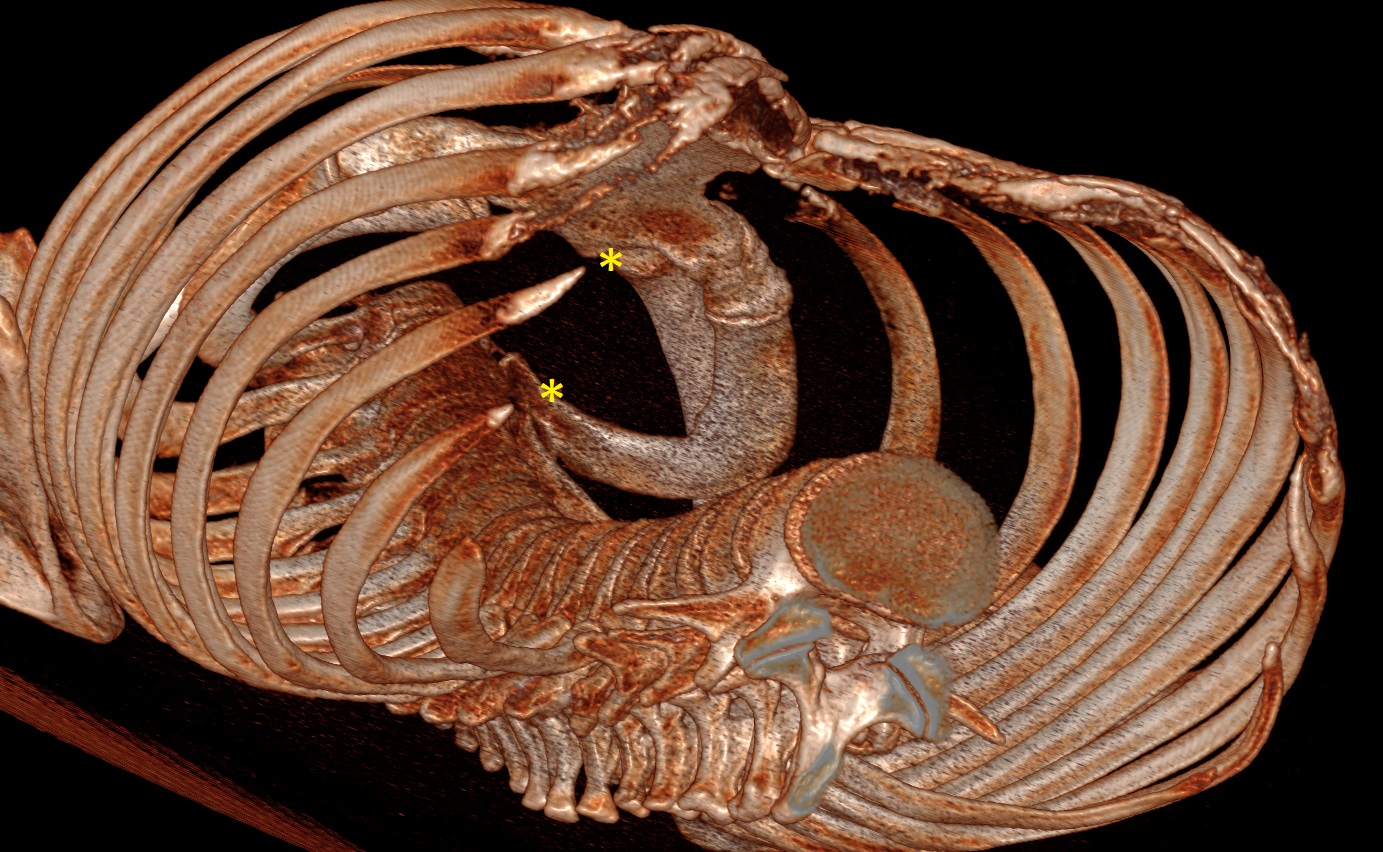
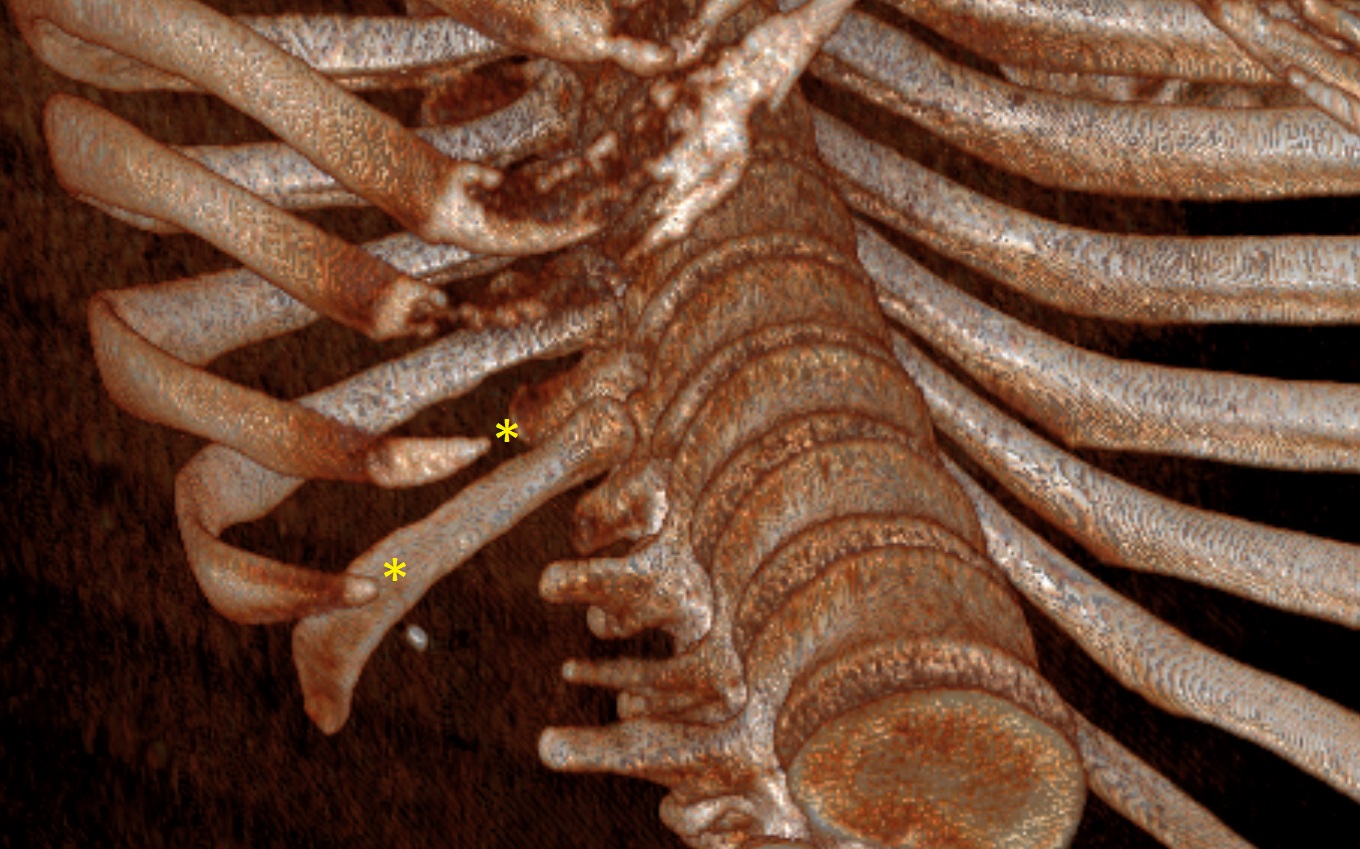
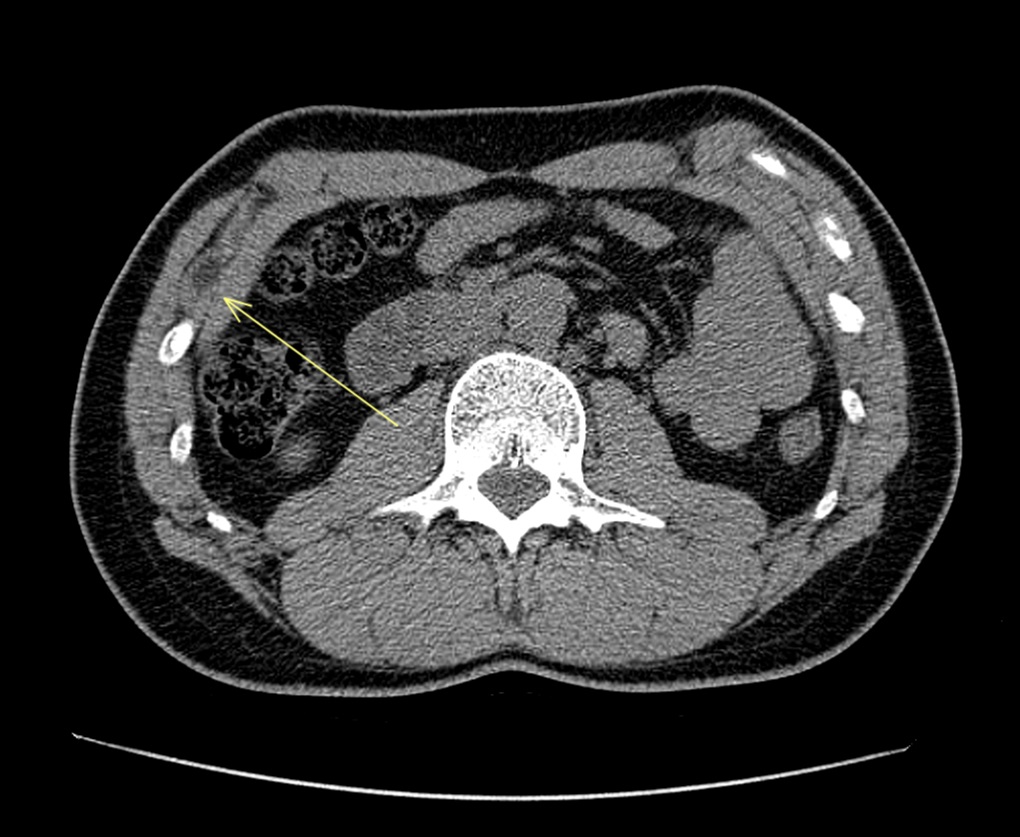
Instability of the costal attachments can lead to abnormal mobility of the free tips of the lower ribs (Figures 1-2), causing pain and irritation of the surrounding tissues (Figure 3). This may involve the corresponding intercostal nerve or adjacent muscles and soft tissues, resulting in chronic chest wall pain. The 10th rib is most commonly affected.
Diagnosis
The diagnosis of Slipping Rib Syndrome can be challenging and is primarily based on clinical examination. Palpation of the affected costal region may reproduce pain or tenderness. In particular, upward and anterior traction of the lower costal margin may produce a palpable or audible click (the hooking maneuver) as the hypermobile cartilaginous segment moves, reproducing the patient's characteristic pain [2].
Because the symptoms may resemble those of other thoracic conditions, imaging studies such as plain radiography, ultrasound, computed tomography (CT), or magnetic resonance imaging (MRI) may be useful, particularly to exclude other underlying disorders. Conventional imaging findings are often subtle or non-specific and may therefore not be diagnostic. Chest CT with three-dimensional reconstructions (Figures 1-3) can help support the clinical suspicion, define the relevant anatomy, and assist in treatment planning.
Conservative and Local Treatment
Initial treatment is generally aimed at symptom relief. Rest, non-steroidal anti-inflammatory drugs (NSAIDs), and local application of ice may be recommended to reduce pain and inflammation. External support with taping or bandaging may help limit movement of the affected rib. Physiotherapy focused on muscle strengthening and postural correction may also be considered to improve chest wall stability. If conservative treatment fails, local injections combining corticosteroids and local anaesthetics may be considered. A positive response to a targeted local nerve block may also provide additional support for the clinical diagnosis.
Surgical Treatment
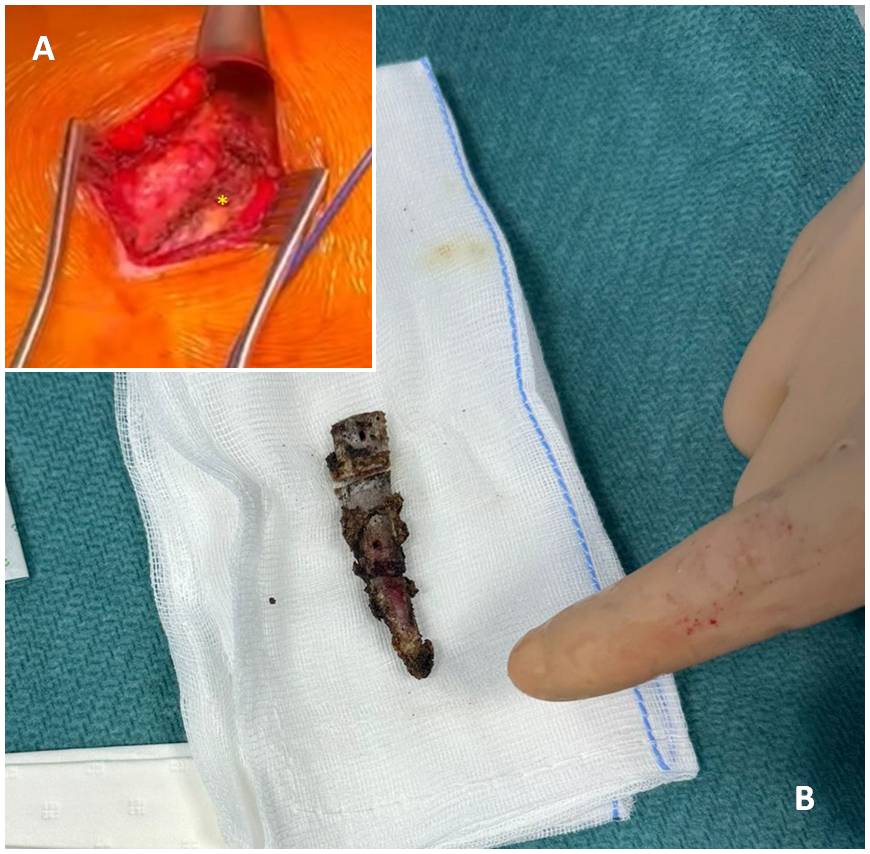
In patients with persistent or severe symptoms despite conservative treatment, surgery may be considered. The traditional surgical approach consists of extraplural resection of the symptomatic rib segment and the corresponding costal cartilage (Figure 4A-B).
Close collaboration with our Diagnostic and Interventional Radiology team allows pre-operative ultrasound localization and marking of the symptomatic rib or ribs when appropriate.
Other surgical options may include stabilization of the involved ribs using plates, with or without resection of the symptomatic rib tip or cartilaginous segment.
Because Slipping Rib Syndrome is a benign condition and surgery carries inherent risks, surgical treatment is reserved for carefully selected patients in whom conservative approaches have failed to provide adequate symptom relief. The indication for surgery is established only after a thorough clinical assessment and detailed discussion with the patient regarding symptoms, functional limitations, expected benefits, and potential risks.
Bibliography
[1] Cyriax E. On various conditions that may simulate the referred pains of visceral disease, and a consideration of these from the point of view of cause and effect. Practitioner. 1919;102:314–322.
[2] Gress K, Charipova K, Kassem H, Berger AA, Cornett EM, Hasoon J, Schwartz R, Kaye AD, Viswanath O, Urits I. A Comprehensive Review of Slipping Rib Syndrome: Treatment and Management. Psychopharmacol Bull. 2020 Oct 15;50(4 Suppl 1):189-196.
Author: Dr. Fabio Davoli, head of General & Thoracic Surgery Unit, IRCCS Rizzoli Orthopaedic Institute.
Scheda revisionata il: 18 novembre 2023.